


High blood pressure, also called hypertension, is a common disorder in which the heart has to work harder than necessary to pump blood due to increased pressure and stiffness in the arteries. This illness, which affects hundreds of millions of individuals globally one in every four adults frequently manifests itself without symptoms, leaving many people with high blood pressure undetected. Hypertension has been dubbed "the silent killer" for this reason. High blood pressure has been linked to an increased risk of heart attack, stroke, heart failure, and renal disease, particularly when left untreated.
Blood pressure is a two-digit number that is generally expressed in millimeters of mercury (mmHg). Systolic blood pressure is the first number, and diastolic blood pressure is the second. The systolic/diastolic blood pressure is 120/80.
The pressure your heart produces on your arteries when it pumps is known as systolic blood pressure.
Diastolic blood pressure: the pressure in the arteries during rest.
Individuals with high blood pressure should be monitored by their personal physician.
Blood Pressure Interpretation:
- Normal blood pressure: <120 / 80
- Elevated Blood Pressure: >120-129/ 80-89
- Hypertension (Stage 1): 130-139/ 80-99
- Hypertension (Stage 2): Over 140/90
Children's values are different.
Vegetable, nut, and fresh fruit-rich diets can be advantageous since they contain potassium, magnesium, and calcium, all of which assist in maintaining the circulatory system's balance and health.
Conventional Blood Pressure Treatment
Physicians and patients have been able to treat high blood pressure and, as a result, lessen the risks associated with it. Over the last several decades, medications to treat high blood pressure have been the predominant method of lowering higher levels.
The following is a list of commonly used blood pressure drugs, along with their class designation. While there is little doubt about their usefulness, many are concerned about their adverse effects. However, in the majority of cases, the advantages outweigh the risks. Often, an individual will take two or more drugs from different groups to regulate their blood pressure.
- Alpha-blockers (Clonidine)
- Angiotensin Receptor Blockers (Olmesartan, Losartan, Irbesartan)
- Vasodilators (Hydralazine)
- Beta-Blockers (Atenolol, Metoprolol, Carvedilol, Sotalol)
- Calcium Channel Blockers (Amlodipine, Diltiazem, Nifedipine)
- Diuretics (Hydrochlorothiazide, Triamterene, Chlorthalidone, Spironolactone) or “water pills”
- Ace Inhibitors (Lisinopril, Benazepril, Enalapril, Ramipril, Fosinopril)
- Stress reduction and routine exercise
- Meditation and relaxation techniques, including prayer
- Supplements
- Diet rich in vegetables and fruits
- Weight loss

Turmeric is a brightly colored spice that is related to ginger and has been used as a food seasoning by a variety of cultures for thousands of years. The spice is frequently associated with Asian curries. Turmeric, on the other hand, was one of the numerous ingredients found in ancient medical remedies.
Turmeric contains a compound known as curcumin, which has anti-inflammatory properties. Additionally, the spice contains over 24 compounds with anti-inflammatory properties. Certain compounds are COX-2 inhibitors. COX-2 is the enzyme that causes inflammation, pain, and swelling. Additionally to lowering blood sugar levels, the spice has been shown to lower LDL or bad cholesterol.
Fermenting milk with live cultures of beneficial bacteria in the process of making yoghurt.
Greek yoghurt that has been strained contains less sugar than regular yoghurt. Eliminating the whey results in a creamier, thicker yoghurt with a tart flavour.
Certain manufacturers thicken regular yoghurt and market it as "Greek-style" yoghurt, which may lack the health benefits associated with Greek yoghurt.
Additionally, low- or no-fat Greek yoghurt may lack some of the health benefits associated with traditional Greek yoghurt.
Discover eight possible health benefits of Greek yoghurt in this article, as well as how to incorporate it into a balanced diet.
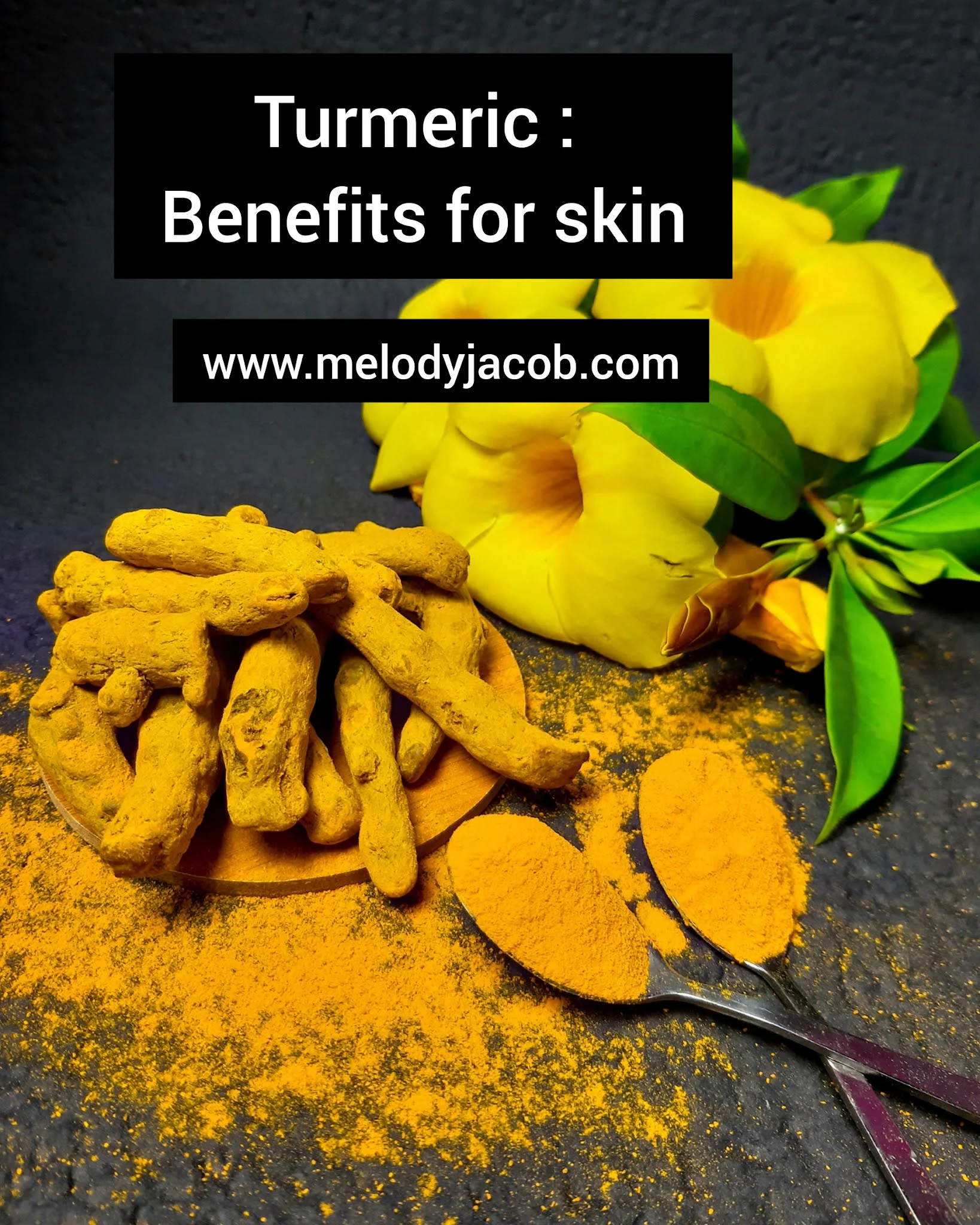
Turmeric is an antibacterial spice that can be used on the skin to cleanse and nourish it. It contains a compound known as curcumin, which has antioxidant and antimicrobial properties. Turmeric, for example, aids in wound healing just like Manuka honey by reducing inflammation and oxidation. Improved healing can help minimize scarring.
Turmeric's anti-inflammatory properties make it an effective treatment for psoriasis, and the National Psoriasis Foundation recommends supplementing with turmeric or incorporating it into one's diet. A study conducted in India discovered that when turmeric was combined with a plant called neem, a paste was formed that could be used to treat skin rashes. Turmeric has been shown in some studies to be an effective treatment for other skin conditions such as eczema or alopecia. Benefits of using Turmeric on your skin

Honey has been adored since ancient Egypt for its delectable flavor and medicinal properties. Numerous studies have demonstrated that honey can accelerate wound healing and inhibit the growth of harmful bacteria. Additionally, it can be an excellent natural sweetener for those avoiding processed sugar. Manuka honey is gaining popularity due to the fact that it contains all of the wonderful benefits of regular honey while also containing some unique benefits.
What is Manuka Honey, and how does it differ from other honeys?
Manuka honey is made from the flowers of the manuka tree, as the name implies. This tree is native to Australia and New Zealand, where it is referred to as a tea tree. Due to the numerous beneficial chemicals contained in the trees, essential oil from this tree has long been used as a disinfectant and health aid. Manuka honey is created when a European honey bee collects nectar and pollen from the small white flowers on the manuka tree. To be classified as Manuka honey, the honey must contain at least 70% pollen from manuka flowers.
Manuka honey contains a number of unique compounds not found in other varieties of honey. Methylglyoxal is a naturally occurring compound in Manuka honey. This compound is synthesized in unusually high concentrations from dihydroxyacetone found in manuka flowers. Additionally, because manuka honey contains numerous flavoring compounds derived from manuka flowers, it has an earthy, herbaceous flavor and aroma. Manuka honey contains unique proteins and colloids that contribute to its distinctive texture and healing properties.
To differentiate Manuka honey from other varieties of honey, experts look at its thickness, color, and flavor. True Manuka honey should be extremely viscous and thick. Certain varieties of Manuka honey may be so thick that they have a texture more likened to jam than syrup. Manuka honey is also dark brown in color. This distinct color is frequently used to identify Manuka honey. Researchers can identify manuka honey by examining the pollen in the honey, but manuka and kanuka pollen appear to be extremely similar. Kanuka honey, on the other hand, is a light, clear yellow, whereas manuka honey is a dark, rich brown.


What is cinnamon?
Cinnamon is a popular household spice that has been used for millennia throughout the world. This spice, which was once traded as currency, has a pleasant flavor and a toasty aroma that makes it popular in cookery, particularly in baking and curries.
The spice is obtained by extracting the inner bark of a tiny evergreen tree. The bark is peeled and then dried in the sun, where it curls into cinnamon sticks. Additionally, cinnamon is available in powdered form.
Cinnamon is extracted from the Cinnamomum verum (or Cinnamomum zeylanicum) tree's bark. This bark includes a number of unique compounds that contribute to its numerous health benefits, including cinnamaldehyde, cinnamic acid, and cinnamate.
Types of cinnamon
Ceylon cinnamon, which comes from the Cinnamomum Zeylanicum plant in Sri Lanka, is the most common variety.
The other predominant variety is Cassia cinnamon, which has a stronger flavor and is slightly more affordable.
To maximize cinnamon's medicinal value and health benefits, regardless of its type, the critical factor is its freshness.
While some prefer the delicate sweetness of Ceylon cinnamon in desserts and the stronger flavor of Cassia cinnamon in savory dishes, the majority of commercial cinnamon is a blend of the two.
Cinnamon: How to store and use it
Cinnamon should be stored in an airtight container in a cool, dry location. Whole cinnamon lasts about a year, but ground cinnamon begins to lose flavor after a few months. It's worth checking the use-by dates on cinnamon in your cupboards, as the fresher it is, the better.
Nutrition facts Information
A tablespoon (approximately eight grams) of ground cinnamon contains the following:
19 calories
6.2 grams carbohydrates
0.3 grams protein
0.2 grams fat
4.1 grams dietary fiber
1.4 milligrams manganese (68 percent DV)
77.7 milligrams calcium (8 percent DV)
0.6 milligrams iron (4 percent DV)
2.4 micrograms vitamin K (3 percent DV)
This common spice also contains a small amount of vitamin E, niacin, vitamin B6, magnesium, potassium, zinc, and copper, in addition to the nutrients listed above.Maintains Blood Sugar Stability
Cinnamon is well-known for its anti-diabetes properties, which is why it is one of the best diabetic foods. It has been shown in research to lower blood sugar levels and increase sensitivity to the hormone insulin, which aids in the transit of sugar from the bloodstream to the tissues, so maintaining blood sugar balance.
Cinnamon for diabetes may help inhibit the activity of numerous digestive enzymes, slowing the absorption of sugar into the bloodstream following a high-carbohydrate meal. As a result, researchers believe that supplementing with cinnamon extract may have a considerable favorable effect on blood sugar indicators in persons with type 2 diabetes.
Protects the Health of the Heart
Cinnamon's capacity to boost heart health is one of its top health advantages, according to studies. Indeed, it has been demonstrated to reduce several of the most prevalent risk factors for heart disease, including elevated cholesterol, elevated triglyceride levels, and hypertension, thereby keeping your heart healthy and robust.
Additionally, it has been shown to lower blood pressure, another risk factor for heart disease or stroke.
It acts as a beneficial blood coagulant, assisting the body in forming blood clots. Cinnamon also enhances circulation and tissue healing, which may be particularly beneficial when it comes to renewing heart tissue to aid in the fight against heart attacks, heart disease, and stroke.
Maintains Brain Function
Due to its antioxidant content, research indicates that this spice may enhance cognitive function and may help protect against the development of neurological illnesses such as Parkinson's and Alzheimer's disease.
While human studies are lacking, in vitro studies show that cinnamon can prevent the accumulation of a specific protein in the brain, hence lowering the risk of Alzheimer's disease. Additionally, it has been proven in animal models to protect neurons from oxidative stress, reducing the risk of inflammation and cell damage, which can help retain brain function and prevent cognitive decline.
Assists in Reducing Allergy Symptoms
The numerous medicinal ingredients packed inside this spice may provide comfort to those suffering from allergies. Indeed, it may aid in the treatment of common allergy symptoms, as it has been found to decrease inflammation and inhibit histamine reactivity in a variety of animal models.
Defends Against Infections and Viruses
Cinnamon has a plethora of possible health benefits when it comes to fighting the body against illness. It is naturally antibacterial, antibiotic, antifungal, and antiviral, and its essential oils contain potent immune-stimulating chemicals.
As a result, it is utilized in a variety of cultures to naturally aid in the battle against dangerous illnesses and viruses. Cinnamon oil, in particular, has been shown to protect against bacterial infections, which can result in common colds, strep throat, and pneumonia.
Natural Preservative
Cinnamon powder contains compounds that have the ability to preserve food. Due to its antibacterial and antioxidant properties, research indicates that it can be utilized as a preservative in a variety of foods without the need for chemicals or artificial additives.
According to a recent study, when fruit pectin was coated with cinnamon leaf extract, it showed the highest antioxidant and antibacterial activity and remained fresh for an extended period of time. Cinnamon has anti-tyrosinase properties, which are beneficial in preventing discoloration of fruits and vegetables as they oxidize and begin to rot.