

Describe collagen.
One of the main structural proteins in human tissues is collagen. It is present in the bones, cartilage, tendons, hair, nails, and skin. Collagen maintains the suppleness, volume, and hydration of the skin in conjunction with other components like hyaluronic acid and elastin. It also contributes to the formation of proteins like keratin, which form nails, skin, and hair.
Our bodies use the amino acids found in high-protein or high-collagen meals, such as fish, meat, and bone broth, to naturally make collagen. However, smoking, drinking alcohol, getting older, and UV exposure all reduce the formation of collagen.
Supplements and drinks containing collagen are frequently made from a variety of sources, including fish, cattle, pigs, and poultry. They typically contain peptides, which are short sequences of amino acids that contribute to the formation of keratin and collagen, two important proteins in the body.
What is the scientific consensus regarding collagen supplements and drinks?
Studies on the skin consist of:
A review and analysis of 19 trials with 1,125 individuals in total that were published in the International Journal of Dermatology. The firmness, suppleness, and moisture content of the skin improved in those who took collagen supplements, and wrinkles were less obvious. Although it's unclear if collagen was the real cause of these skin changes, it seems good. The majority of the studies made use of widely available supplements that included substances other than collagen, such as vitamins, minerals, antioxidants, coenzyme Q10, hyaluronic acid, and chondroitin sulphate.
Drinking collagen supplements with high concentrations of the peptides prolylhydroxyproline and hydroxyprolylglycine can enhance skin hydration, elasticity, wrinkles, and roughness, according to a few randomised, controlled trials (see here and here). However, extensive, high-quality research is required to determine the long-term safety and efficacy of commercially accessible products.
There is very little evidence to support the use of collagen for improving nails and hair. In a small 2017 study, the development and brittleness of the nails were improved in 25 individuals with brittle nails who took 2.5 grammes of collagen daily for 24 weeks. Nevertheless, there was no placebo-taking control group in this little trial to compare with the collagen supplement-taking group.

Good morning everyone! Today, I am excited to discuss the fascinating topic of intergenerational friendships and the unexpected health benefits they bring. We often find comfort and companionship within our own age group, but what happens when we step out of our comfort zones and form connections with individuals who are much older or younger than us? These unique friendships can be like rare birds, offering a stimulating blend of experiences, attitudes, and approaches that have the potential to greatly enhance our lives. Not only do these friendships transcend age barriers, but they also contribute to our overall well-being. So, let's dive into the captivating world of intergenerational friendships.
1. Breaking Down Age Barriers:
As Dr. Ronald Siegel, an assistant professor of psychology at Harvard Medical School, states, confining ourselves to alliances within our peer group can be a limiting experience. Embracing intergenerational friendships requires us to let go of biases about generations and approach others with curiosity. By doing so, we open ourselves up to a whole new world of intelligence, insights, and awareness that exist across different eras. These friendships allow us to learn and grow as individuals.
2. The Impact on Mind and Body:
Research published in the journal Social Psychological and Personality Science reveals that friendships, regardless of age, have a positive impact on our physical and mental health. Trust and mutual support in these relationships have been found to lower stress levels and blood pressure, as well as help regulate blood pressure during stressful periods. Dr. Siegel emphasizes that when people have relationships built on trust, they thrive.
3. Embracing a Youthful Outlook:
Interestingly, intergenerational friendships can also influence our perception of age. A study published in the European Journal of Aging shows that older adults with friends who are more than 10 years younger tend to feel younger themselves and have greater satisfaction with the aging process. This self-perception can potentially lead to health advantages and longer life expectancy, as earlier research suggests.


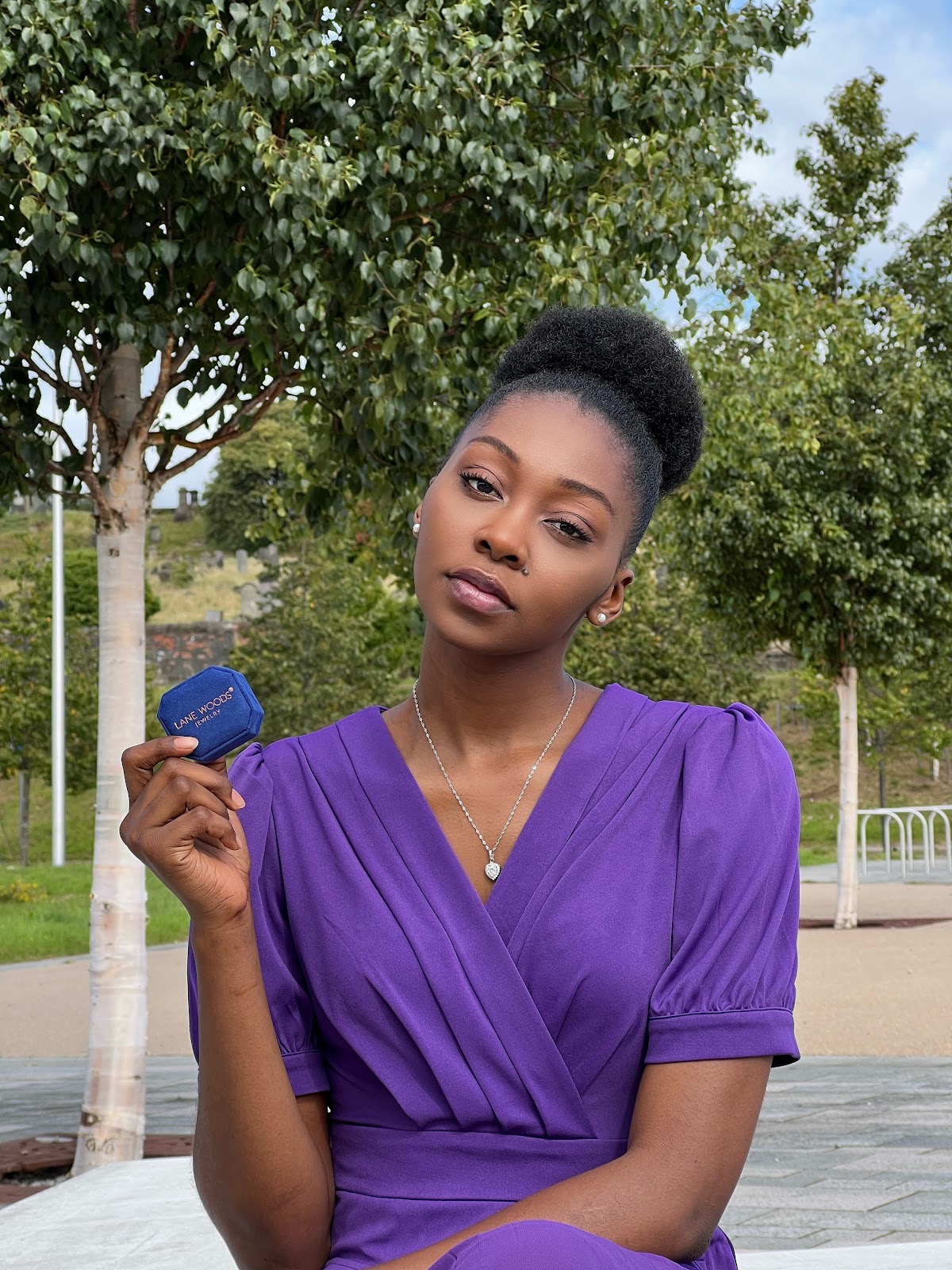
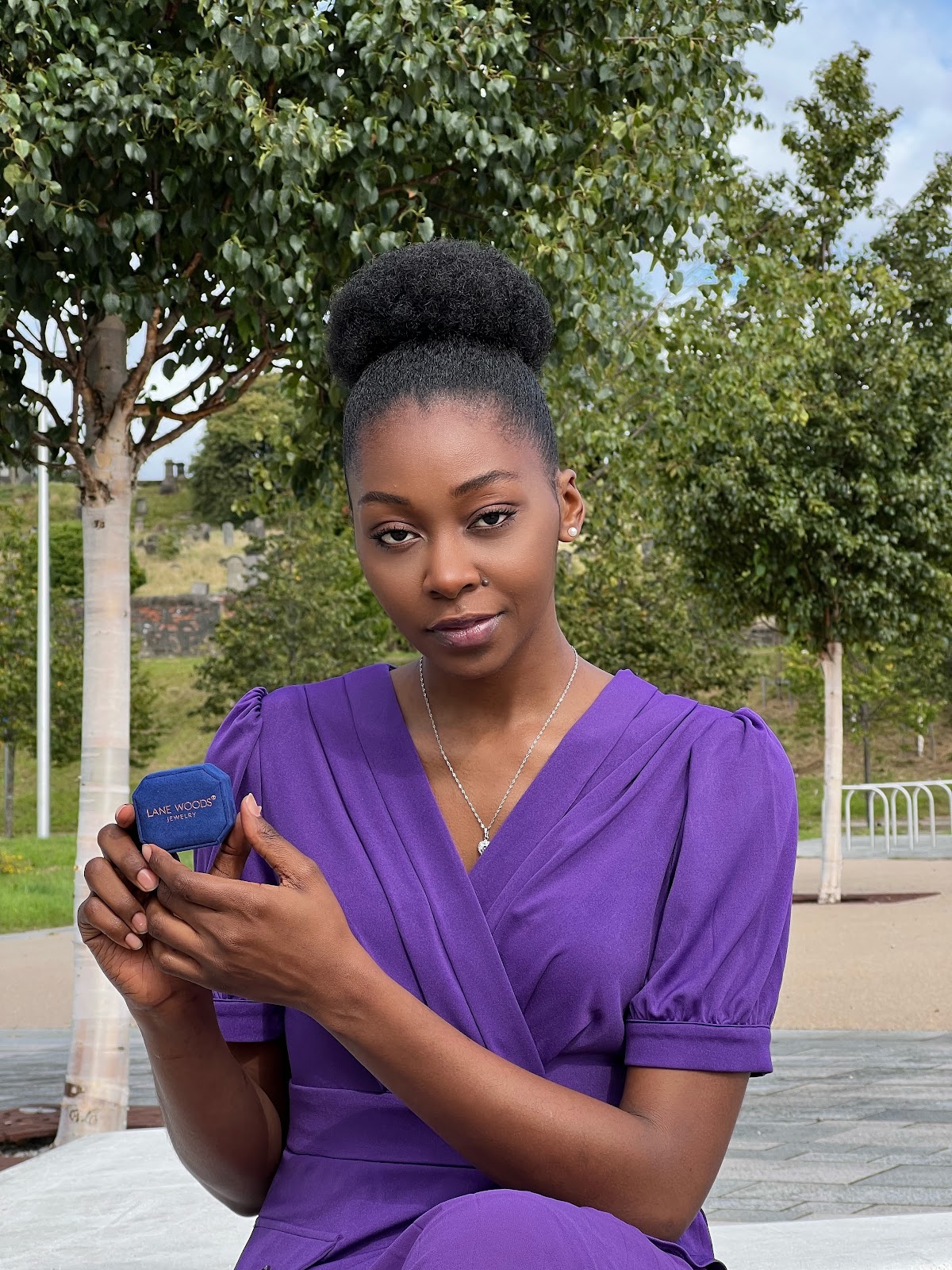 One of the wonderful aspects of heart-shaped necklaces is their versatility. They can be worn on various occasions, from everyday wear to special events. Whether you're going for a casual look or dressing up for a formal occasion, a heart-shaped necklace can effortlessly enhance your outfit and make a statement.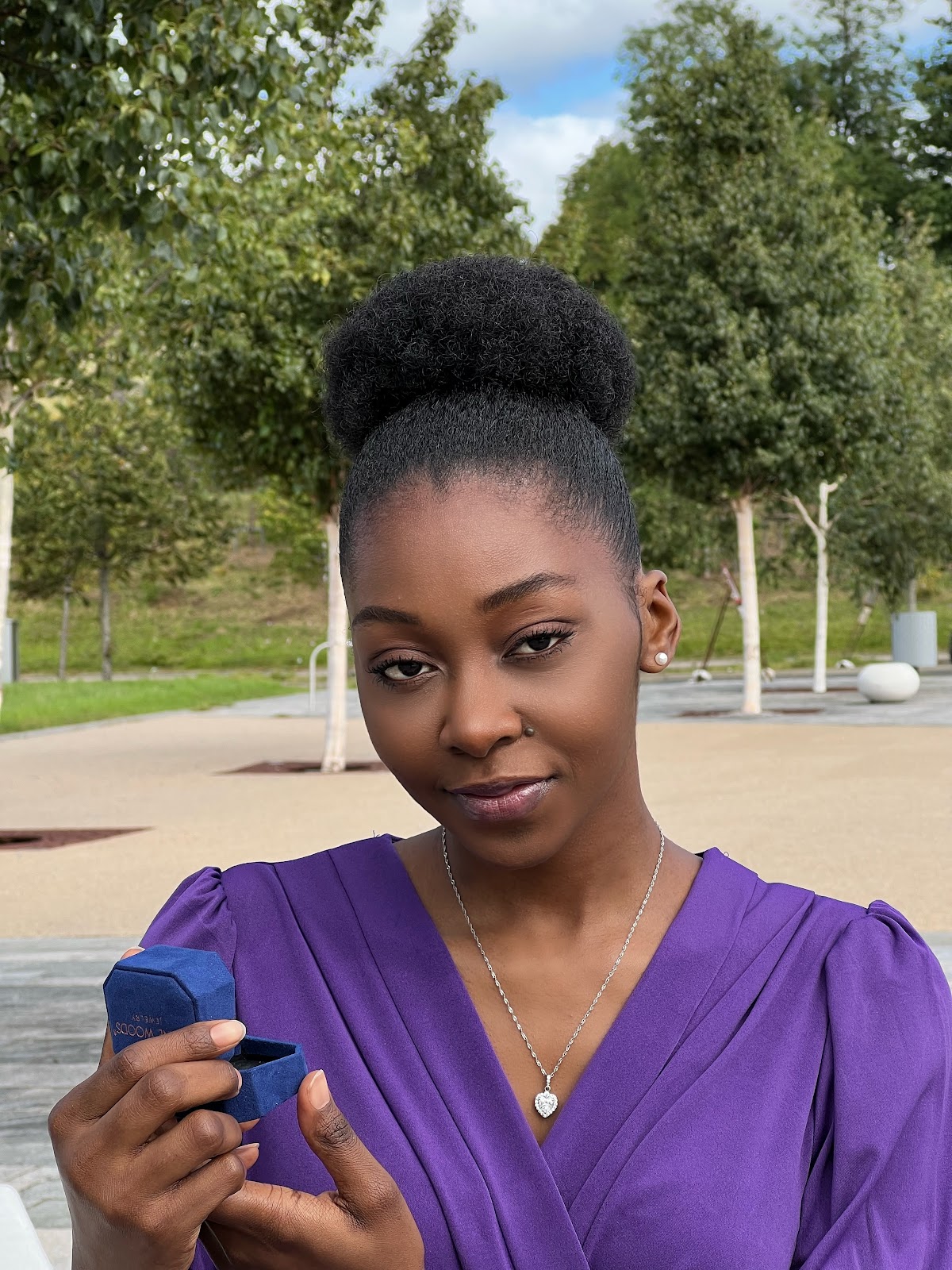

Good morning. Today, we're going to discuss an important topic that affects many individuals as they enter their senior years: housing options. As our children grow up and move out, we may find ourselves wondering if living alone for the next few decades is the best choice. Loneliness, social isolation, and chronic health problems are risks that we want to avoid. Luckily, there are alternatives to traditional retirement facilities. Let's explore three current trends in group housing for seniors that offer benefits for both health and finances.
1. Specialized Communities:
Specialized communities are private mini-neighborhoods where dwellings are clustered around shared spaces. These communities can consist of individual houses, cottages, or apartments. They often have recreational areas, gardens, parking, and a common house for gatherings and activities. They can be run by the residents themselves or nonprofit organizations. Specialized communities come in different types, including intergenerational communities, communities for individuals aged 55 and older, and mission-oriented communities with shared goals. These communities promote socialization, active involvement with neighbors, and a sense of belonging. They can also be more affordable than traditional housing options. To learn more, you can visit the Cohousing Association of the United States website.
2. Home Sharing:
For many individuals, sharing a home with other adults is a practical and beneficial option. It allows them to take on a boarder, earn extra income, and enjoy companionship. There are groups like Silver Nest and the New York Foundation for Senior Citizens that help connect homeowners with mature boarders. They assist with listing spaces, conducting background checks, and setting up leases. There are also companies like Nesterly that connect older homeowners with younger boarders, who agree to pay rent and assist with household tasks. Sharing a home with friends or siblings is another option, which allows for shared expenses and the opportunity to support each other. This arrangement can be especially helpful when it comes to accessing services like private-duty care.
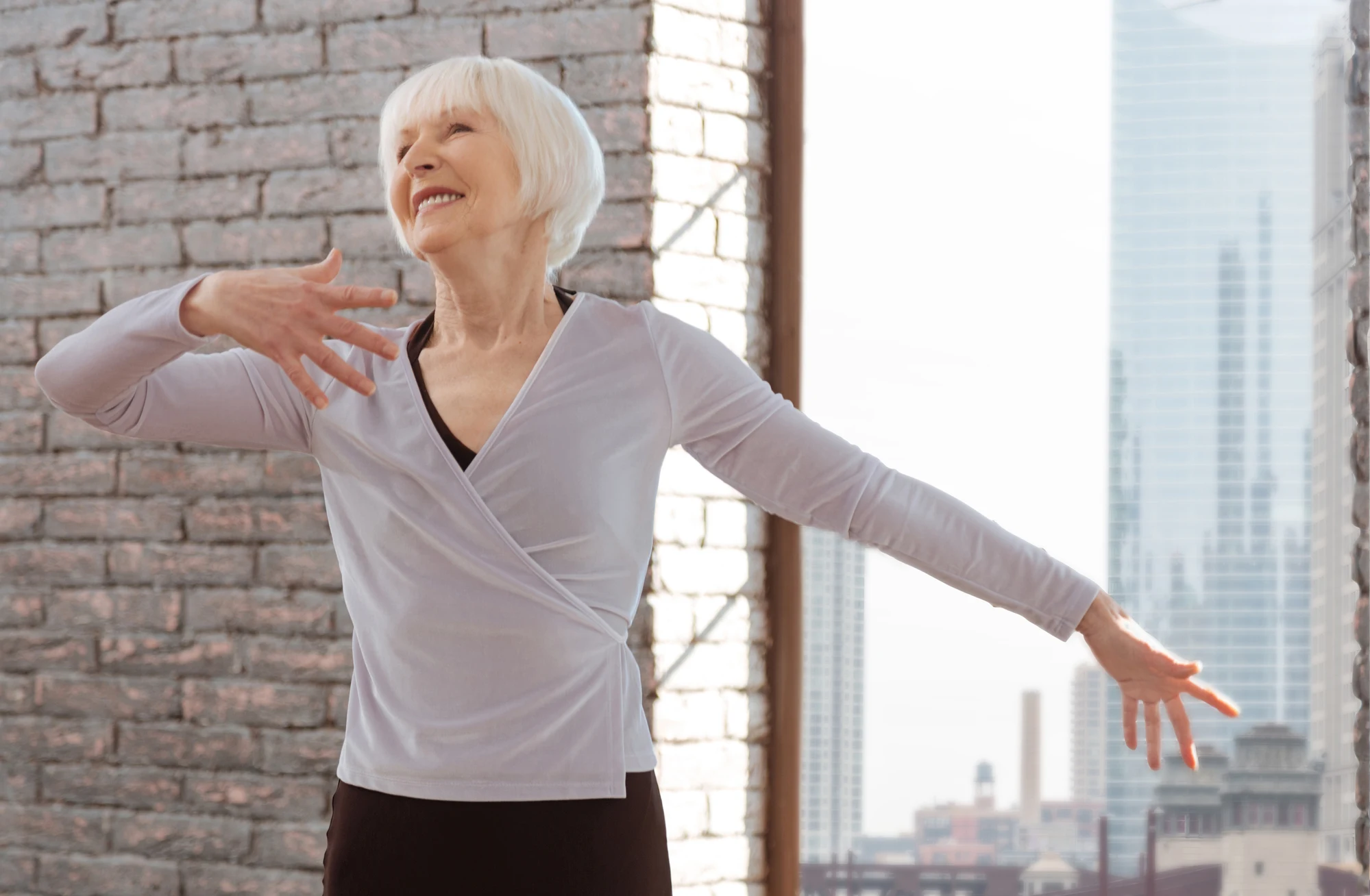
Hey everyone! Today, I want to talk to you about something fascinating: the idea that you can feel younger than your actual age. You may have come across older people who exclaim, "I feel like I'm 30!" or "I don't feel my age!" and exude positivity, energy, and optimism. But is it just wishful thinking, or can our mindset actually impact how young and healthy we feel? Well, research suggests that having a positive attitude about aging can lead to longer and healthier lives. So, let's explore the power of positive aging and how it can benefit our minds, bodies, and spirits!
1. The Science Behind Positive Aging:
Studies, like the one published in JAMA Network Open, have shown that individuals with a greater satisfaction with aging have a significantly lower risk of dying from any cause. These individuals also have a reduced risk of diabetes, stroke, cancer, and heart disease. Not only that, but they also experience better cognitive functioning, reduced feelings of loneliness and depression, increased physical activity, and improved sleep. It's amazing how our mindset can influence our overall well-being and contribute to a longer, healthier life!
2. Tips for Embracing Positive Aging:
Now that we understand the benefits of a positive mindset, let's explore some practical ways to cultivate a youthful outlook:
- Managing Anxiety: As we age, anxiety can become more common. To combat it, try incorporating daily meditation, exploring stoicism (a philosophy that teaches how to maximize positive emotions and reduce negative ones), or simply spending quiet time each day expressing gratitude. These practices can help alleviate anxiety and promote a positive mindset.
- Finding a Sense of Purpose: Having a strong sense of purpose allows us to continue pursuing goals and finding meaning in life. Engage in activities centered around self-development, growth, and connecting with others. Learn a new instrument or language, volunteer for a cause you care about, mentor someone younger, or take college classes that stimulate your mind. Revisiting activities you enjoyed in your youth can also spark joy and a sense of purpose.


White dresses always look good on me, so I like to wear them. This dress is a bit different from some of my dresses because it is a draped sleeve-a-line sweetheart tulle wedding dress (similar), which I styled as my Christmas dress.
When styling any bridal dress for any event, what makes it different is your accessories. So if you have a wedding dress that has been sitting in your closet, this is the time to bring it out and wear it as a Christmas dress. Here is how to style a wedding dress for Christmas.

1. Add a touch of red. Add the traditional Christmas color by pairing your bridal dress with red accessories. I added a red beret to my look. You can tie a red velvet ribbon around your waist to add a festive touch.